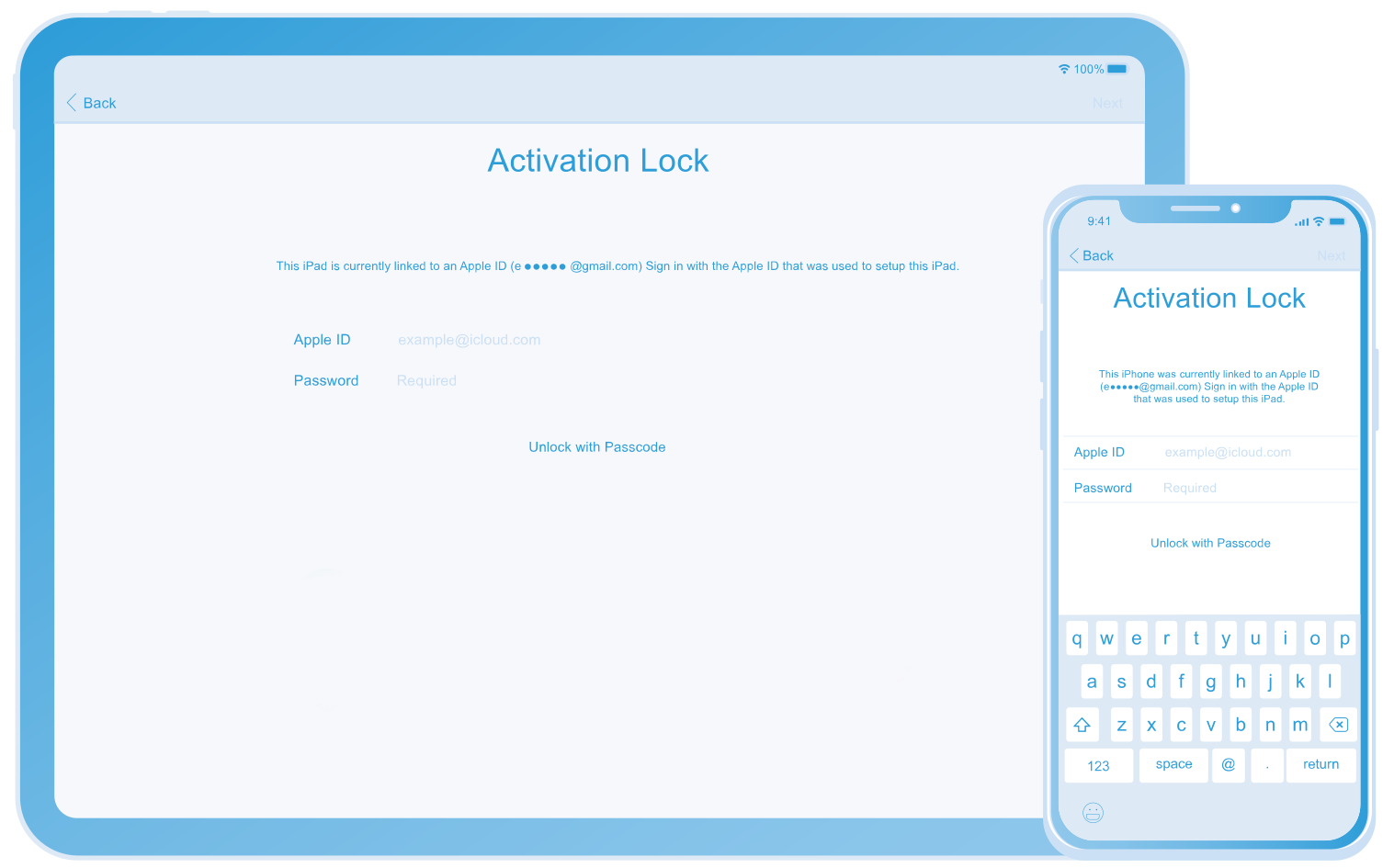
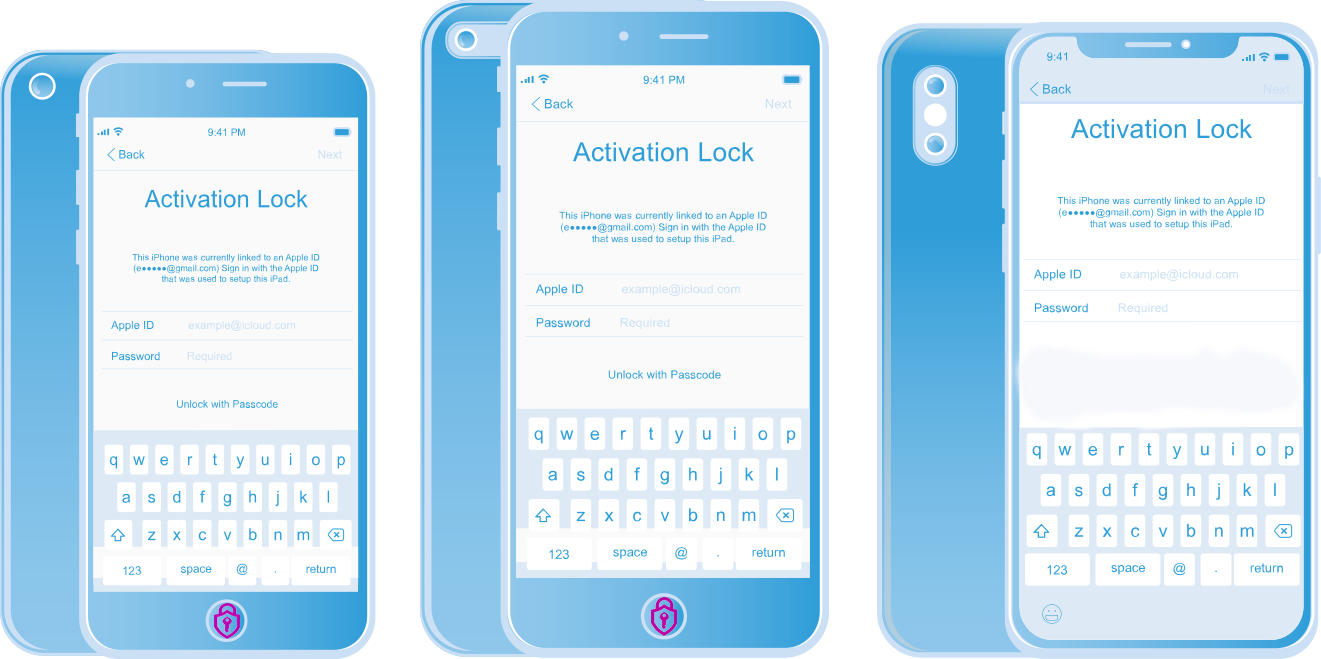
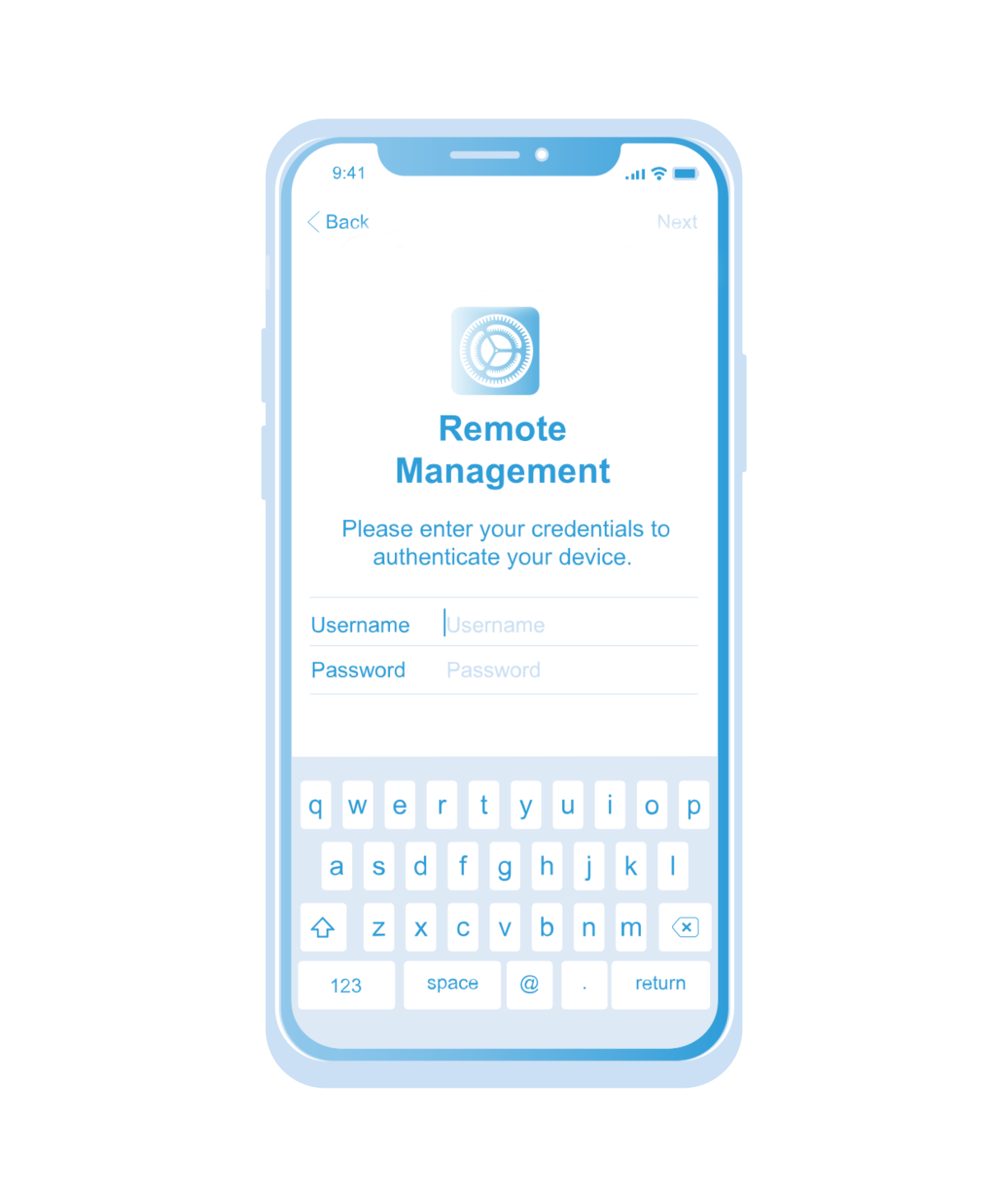
Remove iCloud Permanently. All iPhone / iPad Models & iOS Version Supported. FMI OFF Premium Remove Your iCloud ID in Seconds....
MDM Bypass All iPhone Models & iOS Version Supported, no need Jailbreak. Untethered Bypass all apple service working...
iPhone Hello Byppass A9 - A11 (iOS 15-17 No Signal) No need Jailbreak. Supported iPhone 6 to X and iPad Models...
Profesional Unlocking Tool iPhone Bypass Passcode Activation iPhone 6 to X and iPads. Ramdisk Tool Supported iOS 16.x...
Not every nail artist offers it. It requires perfect spacing, cohesion across four digits, and a strong compositional eye. Available only by request at select private studios.
In the world of instrumental technique—whether on the piano keyboard, the fretboard of a guitar, or even woodwind keywork—most pedagogy relies on the logic of economy of motion . We teach students to use all available digits. We preach the power of the thumb, the agility of the index, and the strength of the middle and ring fingers.
The electric bass guitar has seen a significant evolution with a technique simply called "The 4-Finger Technique." This is a that aims to increase speed and efficiency. Here’s how it works: four fingering exclusive
The ability to accommodate deeper physical touch is a direct physiological sign of high arousal, relaxation, and comfort with a partner—not permanent structural change.
The four-finger spread provides a wider surface area for steering input, allowing for more granular control during high-speed cornering. Why is it "Exclusive"? Not every nail artist offers it
The table below contrasts standard finger training methods with advanced, exclusive pedagogical approaches used in elite conservatories. Standard Technical Practice Exclusive Advanced Training Sequential (1-2-3-4) Non-sequential, asymmetric permutations Tension Management Passive relaxation after phrases Active micro-relaxation between individual notes Metronome Focus Symmetrical rhythmic subdivisions Displaced accents and polyrhythmic pulse matching Primary Goal General muscle memory and endurance Neurological decoupling of adjacent tendons 4. Practical Implementation Strategies
The strategy eliminates unnecessary shifting by creating a static "box" or "home base" for your fretting hand. For example, if your hand is positioned at the 5th fret: exclusively handles the 5th fret. Middle finger (2) exclusively handles the 6th fret. Ring finger (3) exclusively handles the 7th fret. Pinky finger (4) exclusively handles the 8th fret. In the world of instrumental technique—whether on the
Distributing the workload across four fingers instead of two reduces the individual movement required per finger, allowing for faster tempos.
Keep your wrist straight or slightly arched. Dropping your wrist flat against the bottom of the neck cuts off the reach of your ring and pinky fingers. To help tailor this advice, let me know: What instrument you play (guitar, bass, or ukulele)? What skill level you are currently at?
Here’s a creative write-up for Since the phrase is ambiguous, I’ve interpreted it in a few possible contexts — pick the one that fits your need, or let me know if you meant something else.
Keep your playing hand relaxed with a natural curve in the knuckles. Avoid collapsing your finger joints, as this slows down response time. Your thumb should rest lightly on the back of the neck (for string instruments) or act as a loose pivot point (for keyboards) to anchor the hand without creating tension. 2. Synchronize Finger Independence
Not every nail artist offers it. It requires perfect spacing, cohesion across four digits, and a strong compositional eye. Available only by request at select private studios.
In the world of instrumental technique—whether on the piano keyboard, the fretboard of a guitar, or even woodwind keywork—most pedagogy relies on the logic of economy of motion . We teach students to use all available digits. We preach the power of the thumb, the agility of the index, and the strength of the middle and ring fingers.
The electric bass guitar has seen a significant evolution with a technique simply called "The 4-Finger Technique." This is a that aims to increase speed and efficiency. Here’s how it works:
The ability to accommodate deeper physical touch is a direct physiological sign of high arousal, relaxation, and comfort with a partner—not permanent structural change.
The four-finger spread provides a wider surface area for steering input, allowing for more granular control during high-speed cornering. Why is it "Exclusive"?
The table below contrasts standard finger training methods with advanced, exclusive pedagogical approaches used in elite conservatories. Standard Technical Practice Exclusive Advanced Training Sequential (1-2-3-4) Non-sequential, asymmetric permutations Tension Management Passive relaxation after phrases Active micro-relaxation between individual notes Metronome Focus Symmetrical rhythmic subdivisions Displaced accents and polyrhythmic pulse matching Primary Goal General muscle memory and endurance Neurological decoupling of adjacent tendons 4. Practical Implementation Strategies
The strategy eliminates unnecessary shifting by creating a static "box" or "home base" for your fretting hand. For example, if your hand is positioned at the 5th fret: exclusively handles the 5th fret. Middle finger (2) exclusively handles the 6th fret. Ring finger (3) exclusively handles the 7th fret. Pinky finger (4) exclusively handles the 8th fret.
Distributing the workload across four fingers instead of two reduces the individual movement required per finger, allowing for faster tempos.
Keep your wrist straight or slightly arched. Dropping your wrist flat against the bottom of the neck cuts off the reach of your ring and pinky fingers. To help tailor this advice, let me know: What instrument you play (guitar, bass, or ukulele)? What skill level you are currently at?
Here’s a creative write-up for Since the phrase is ambiguous, I’ve interpreted it in a few possible contexts — pick the one that fits your need, or let me know if you meant something else.
Keep your playing hand relaxed with a natural curve in the knuckles. Avoid collapsing your finger joints, as this slows down response time. Your thumb should rest lightly on the back of the neck (for string instruments) or act as a loose pivot point (for keyboards) to anchor the hand without creating tension. 2. Synchronize Finger Independence
At iAPro Activator, We Are Specialists in iPhone Unlocking And Technical Service, Offering Safe, Efficient And Guaranteed Solutions.
With Proven Experience And The Best Tools in The Sector, We Provide a Reliable And High-Quality Service For Our Clients.
Safety And Efficiency in Each Service.
Specialized Technical Support.
Fast and Guaranteed service.
Telegram Support